

FPV Analog Camera – Ultra Low Latency CVBS Camera for FPV Drones
 Introduction
 Introduction
In the world of FPV (First Person View) drones, video latency is everything. When flying at high speed, even a small delay can affect control accuracy and pilot reaction time.
For this reason, analog CVBS FPV cameras remain the preferred solution for racing drones, freestyle drones, and industrial FPV systems. Compared with digital transmission systems, analog cameras provide:
- True zero latency
- Stable signal transmission
- High reliability
- Lower power consumption
This FPV analog camera is designed as a mid-to-high-end performance solution, combining HD image quality, ultra-low latency CVBS output, and robust mechanical structure suitable for demanding FPV environments.

Product Appearance
[IMAGE PLACEHOLDER – Product View]: [Mini FPV Camera , SONY IMX225, CVBS Output, 5-28VDC,www.kysail.com]


[IMAGE PLACEHOLDER – Product Side View]

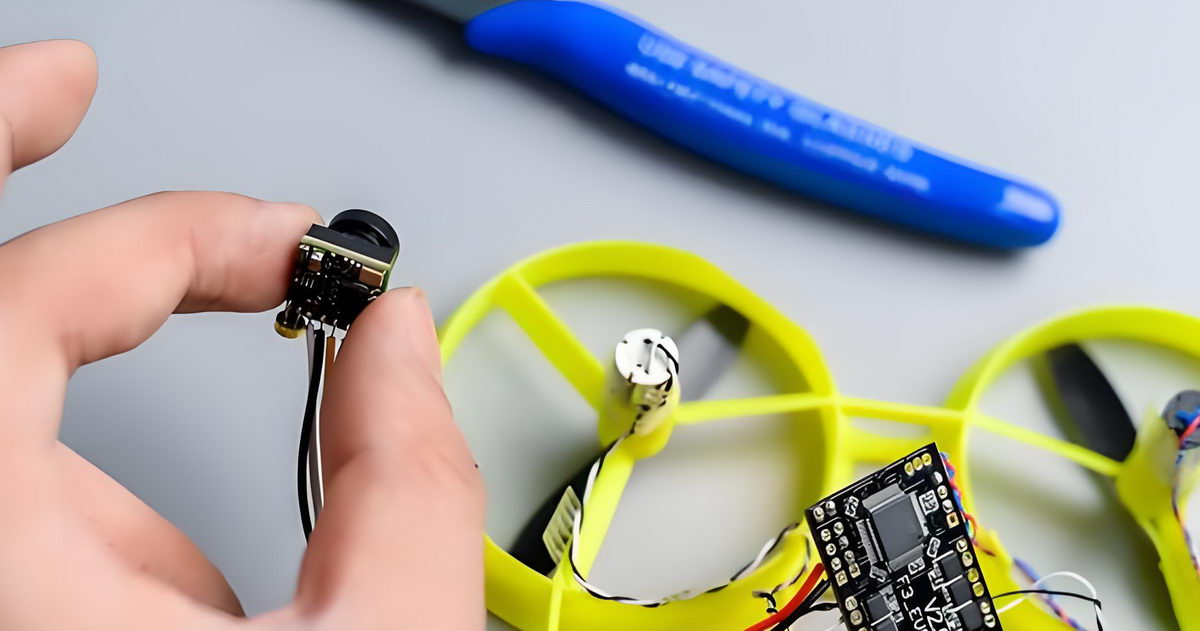
The camera adopts a compact industrial design, optimized for integration into various FPV drone frames.
Key exterior features include:
- Lightweight camera housing
- Replaceable threaded lens
- Secure mounting bracket
- Compact PCB layout
- Rugged mechanical structure for vibration resistance
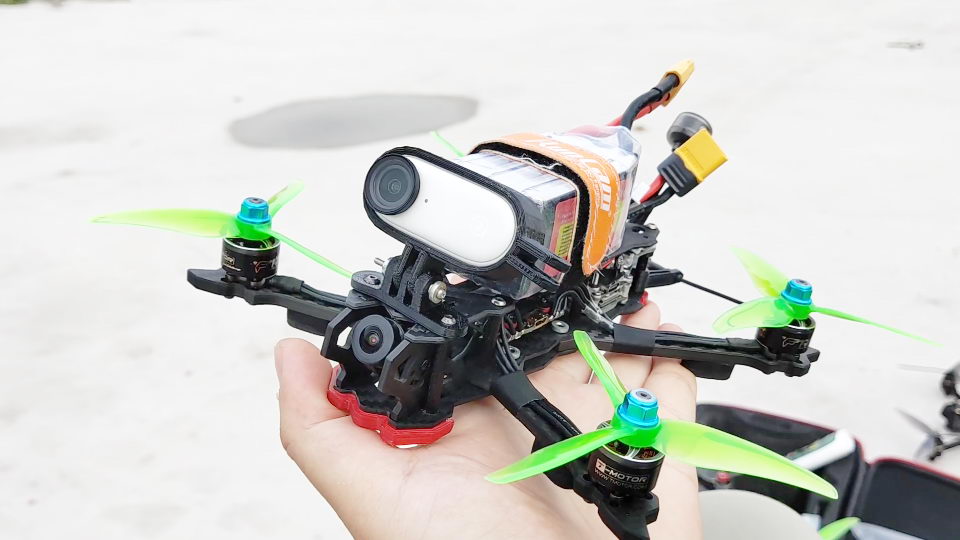
The compact form factor allows installation on:
- FPV racing drones
- Freestyle quadcopters
- RC vehicles
- Robots
- Surveillance systems

Ultra-Low Latency CVBS Analog Transmission
One of the biggest advantages of analog FPV cameras is real-time signal transmission.
This camera outputs CVBS analog video, which ensures:
- Near-zero latency
- Stable RF transmission
- Compatibility with most analog VTX systems
Unlike digital FPV systems that require encoding and decoding, CVBS video is transmitted directly, making it ideal for high-speed drone racing and precision maneuvering.
Advantages of CVBS FPV camera:
- No compression delay
- Instant image feedback
- Reliable signal in complex environments
- Compatible with standard FPV goggles and video transmitters

High Definition Image Performance
Although analog, the camera delivers high-resolution video output optimized for FPV flying.
Key imaging features:
- High-performance CMOS sensor
- Optimized low-light performance
- Wide dynamic range (WDR)
- Accurate color reproduction
- Low image noise
These features ensure pilots receive clear and stable images, even in challenging environments such as:
- Strong sunlight
- Low-light indoor conditions
- Forest flying
- High-speed racing tracks
Precision Optical Lens System
[IMAGE PLACEHOLDER – Lens Close-up]
[IMAGE PLACEHOLDER – Lens Structure]

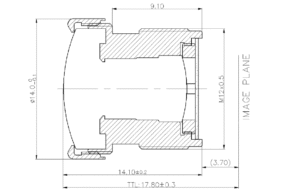

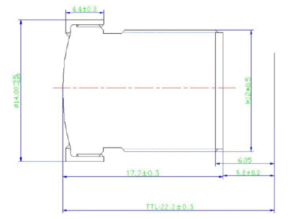
The camera uses a high-quality threaded FPV lens, allowing easy replacement and adjustment.
Lens advantages include:
- Precise focus adjustment
- Durable metal thread structure
- Wide-angle FPV field of view
- High optical clarity
Typical lens field-of-view options:
- 120° FOV
- 150° FOV
- 170° FOV
Pilots can choose different lenses depending on flying style and application requirements.
Mechanical Structure and Assembly
[IMAGE PLACEHOLDER – Camera Exploded View]
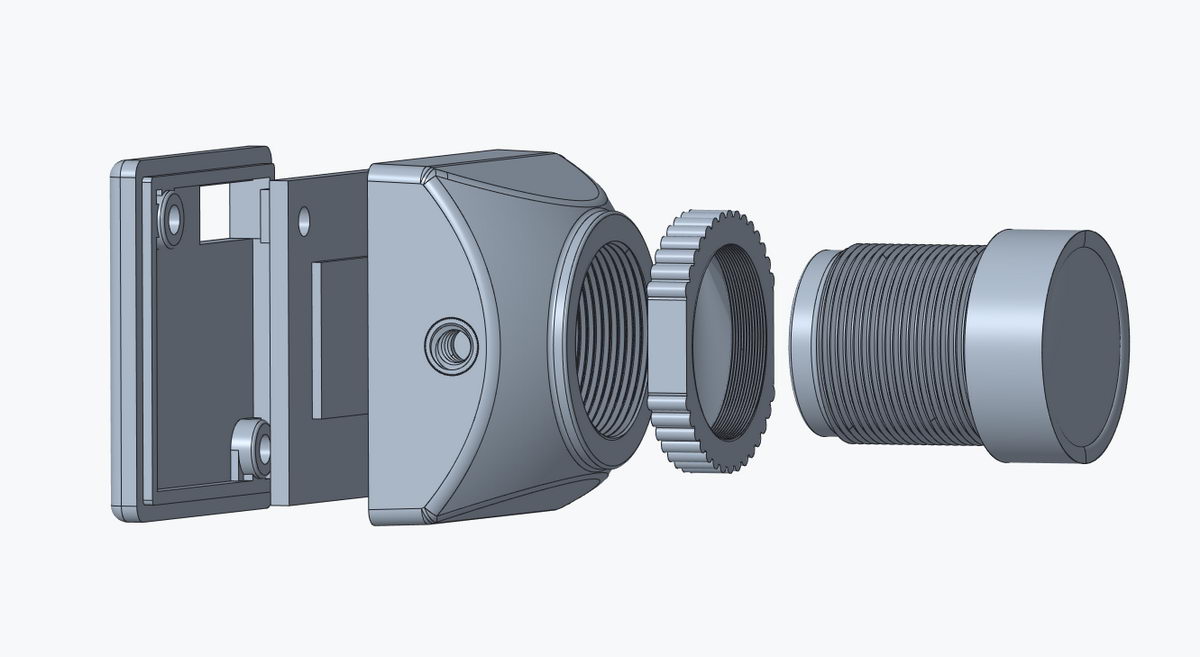
[IMAGE PLACEHOLDER – Internal Structure]

The camera housing is designed with modular mechanical components, improving both durability and serviceability.
Structure includes:
- Front protective frame
- Camera main body
- Locking ring
- Threaded lens module
- Mounting bracket
This modular design allows:
- Easy lens replacement
- Fast maintenance
- Secure mechanical stability
The structure also improves shock resistance, which is critical for high-speed FPV flights.
Compact Dimensions
[IMAGE PLACEHOLDER – Dimension Drawing]


The camera is engineered to be lightweight and compact, making it suitable for modern mini FPV drone frames.
Typical design characteristics:
- Compact cube-style housing
- Lightweight construction
- Standard mounting interface
- Easy integration with FPV frames
This makes the camera suitable for:
- 3-inch FPV drones
- 5-inch racing drones
- Micro FPV builds
- RC platforms

Easy Installation
[IMAGE PLACEHOLDER – Installation Diagram]
The camera supports standard FPV mounting brackets, allowing fast installation on most drone frames.
Installation advantages:
- Simple bracket mounting
- Standard power connection
- Compatible with common FPV transmitters
- Quick lens adjustment
This makes it easy for both hobbyists and professional drone integrators.
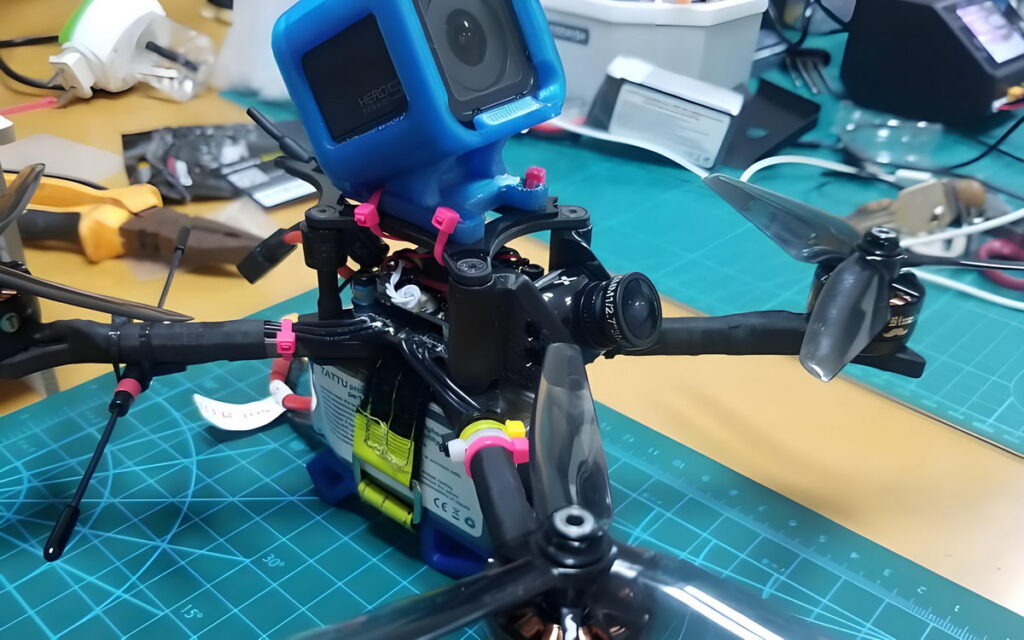
Typical Applications
This analog FPV camera can be used in a wide range of applications:
FPV Racing Drones
Ultra-low latency allows pilots to react instantly during high-speed racing.
Freestyle FPV
Clear image quality helps pilots maintain spatial awareness while performing aerial tricks.
Robotics Vision
Real-time video is ideal for robotic teleoperation.
RC Vehicles
Low delay video improves remote driving experience.
Industrial Inspection
Reliable analog transmission works well in complex RF environments.

Why Analog FPV Cameras Are Still Popular
Despite the rise of digital FPV systems, analog cameras remain widely used because they provide:
- Lowest latency possible
- Simple system architecture
- High compatibility
- Lower system cost
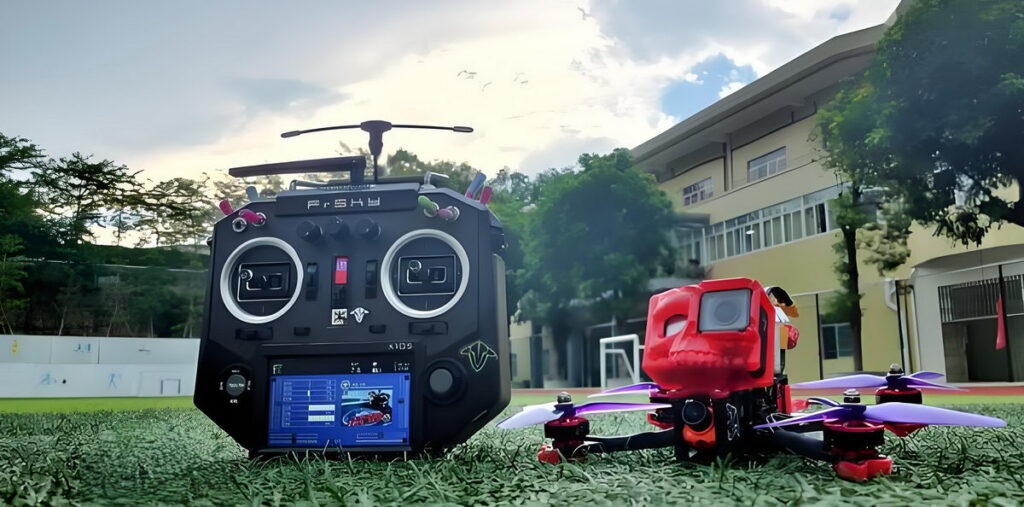
For competitive FPV pilots, latency matters more than resolution, which is why analog systems continue to dominate FPV racing.
Conclusion
This mid-to-high-end FPV analog camera offers a balanced combination of:
- Ultra-low latency CVBS video
- High-quality image performance
- Durable mechanical design
- Compact lightweight structure
- Flexible lens options
With its optimized imaging performance and reliable analog transmission, it is an excellent solution for FPV drone pilots, robotics developers, and industrial system integrators.
