

High Precision Gate Radar Scanner for Secure Access
High Precision Gate Radar Scanner for Secure Industrial and Commercial Access
Firstly, a gate radar scanner is an important device for modern access control and security systems. Specifically, it detects vehicles and moving objects at entrances. As a result, gates operate safely, efficiently, and automatically. Therefore, businesses, parking lots, and industrial complexes rely on these scanners to improve security and traffic flow.
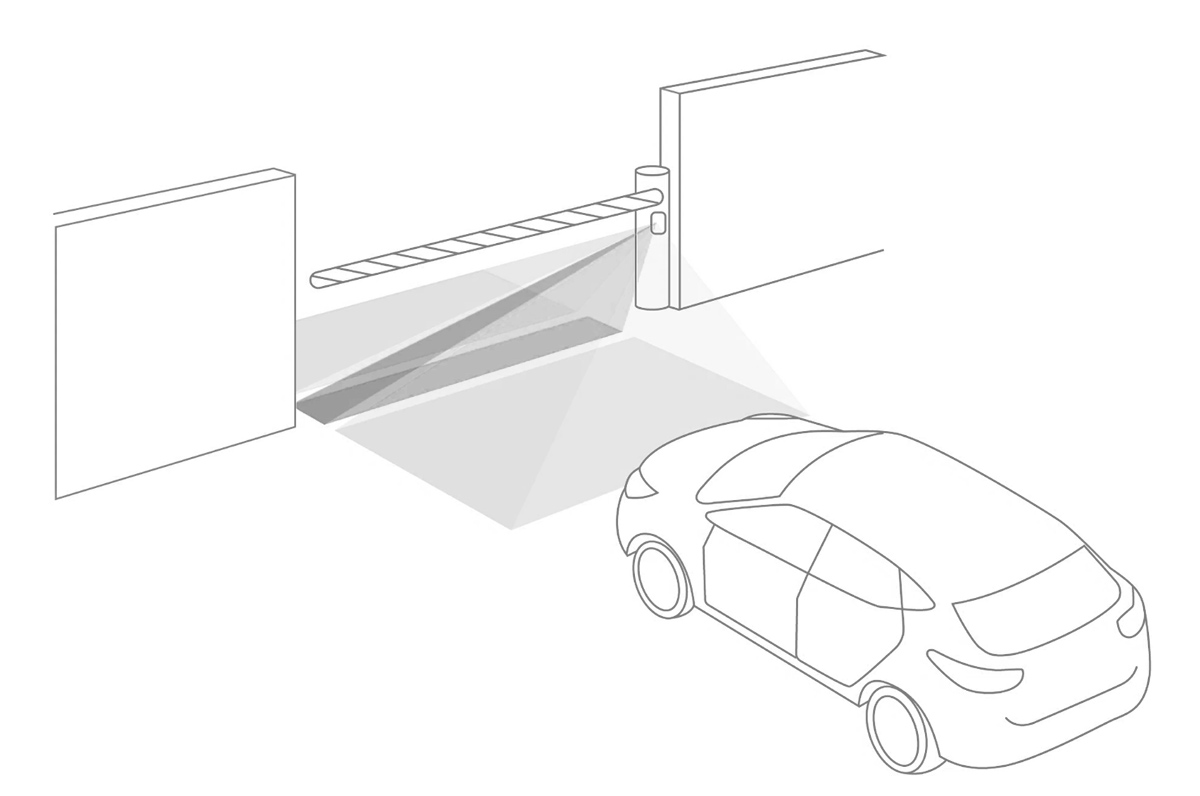
Pic.Quote from: In2_Access
What Is a Gate Radar Scanner?
A gate radar scanner is a sensor that uses radar technology to detect vehicles. Unlike traditional sensors, radar works well in rain, fog, or low light. Moreover, it can cover longer distances.
Most scanners include:
- A radar detection module
- A signal processing unit
- An interface with the gate automation system
- Optional IoT connectivity for remote monitoring
Consequently, a gate radar scanner can trigger automatic gates, alert security staff, or log vehicle entries without human intervention.
Key Features of Modern Gate Radar Scanners
Firstly, radar scanners detect vehicles even when they are stopped. This reduces false alarms and increases operational efficiency.
Secondly, industrial scanners can cover distances of up to 50 meters. Thus, they are suitable for large parking lots, industrial gates, and secure facilities.
Moreover, radar is unaffected by weather conditions, unlike infrared or loop sensors. Therefore, it is ideal for outdoor installations.
In addition, these scanners can connect to RFID readers, parking software, and IoT devices. As a result, gate automation becomes seamless.
Finally, advanced scanners can differentiate vehicles, pedestrians, and bicycles. This prevents false alarms and enhances safety.

Applications of Gate Radar Scanners
Industrial and Commercial Facilities
In factories and warehouses, gate radar scanners control entries and exits. As a result, automation reduces the need for security staff. Furthermore, it improves traffic flow.
Parking Management
For parking lots, radar scanners automate barrier gates. Specifically, they track available spaces and prevent unauthorized access.
Smart Cities
In smart city projects, IoT-enabled radar scanners monitor traffic and manage parking automatically. Consequently, they enhance urban mobility and safety.
Perimeter Security
For gated communities, airports, and military facilities, radar scanners strengthen perimeter security. For example, they detect intrusions in real-time and notify security teams.
Benefits of Using Gate Radar Scanners
- Increased Security: Radar detection prevents unauthorized entry.
- Operational Efficiency: Gates open automatically for vehicles.
- Cost Savings: Less need for security staff.
- Scalability: Works with existing access control and IoT systems.
- Enhanced Safety: Differentiates between vehicles and pedestrians.
Choosing the Right Gate Radar Scanner
When selecting a radar scanner, consider:
- Detection Range: Ensure it fits your gate size and approach distance.
- Environmental Conditions: Choose all-weather scanners for outdoor use.
- Integration Options: Confirm compatibility with your automation system.
- Vehicle Types: Check if it detects cars, trucks, and motorcycles.
- Installation Type: Wall-mounted, ceiling-mounted, or free-standing depending on your site.
In addition, consider IoT-enabled scanners for remote monitoring and data collection.
Conclusion
A gate radar scanner is a reliable and smart solution for automated gate operation, vehicle detection, and perimeter security. Specifically, it improves efficiency, reduces labor costs, and ensures safety. Consequently, industrial facilities, commercial parking lots, and smart city projects benefit from modern radar scanners.
Finally, investing in a high-quality gate radar scanner ensures smooth and secure access. Therefore, it is an essential component of any automated entry or security system.