

Radar vs Camera: How to Choose the Right Security Sensor
Radar vs Camera: How to Choose the Right Security Sensor
Choosing the right sensor is one of the most important decisions in designing a security system. Among the most commonly used technologies today are radar sensors and video cameras. Each offers unique advantages, but they also have limitations that must be carefully considered.
This article provides a clear and practical comparison of radar and camera security systems, helping system integrators, engineers, and decision-makers select the most suitable solution for their application.

Overview of Radar and Camera Security Systems
What Is a Radar Security System?
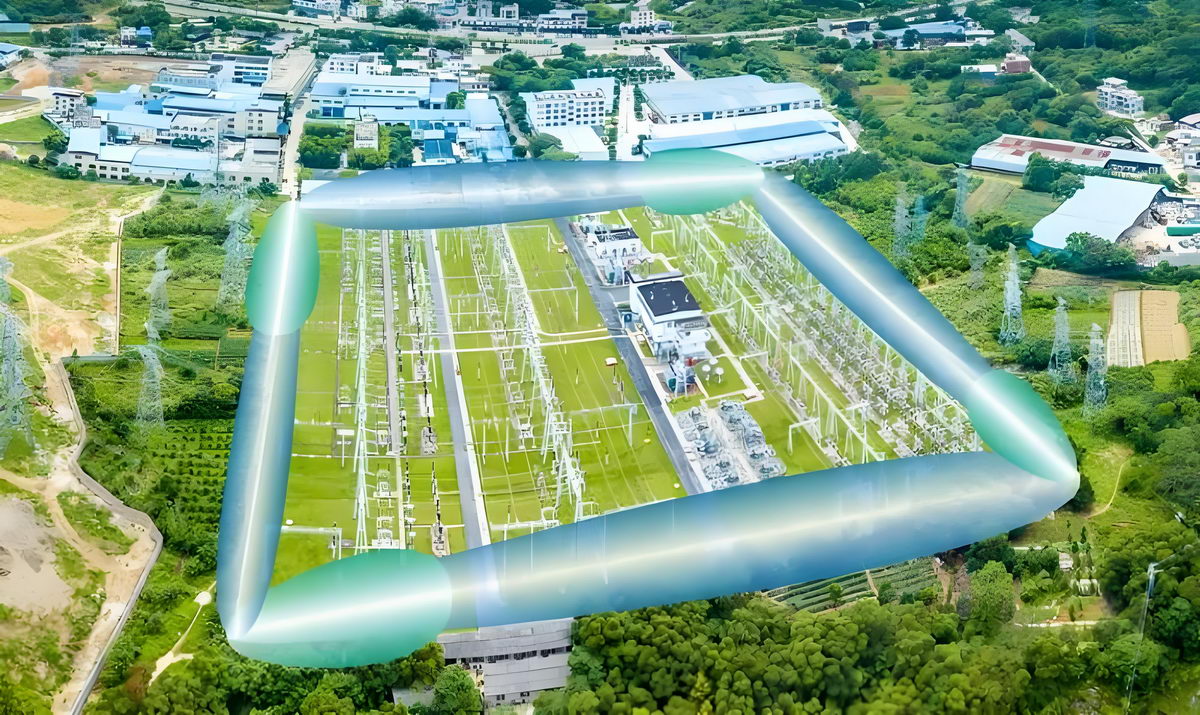
Radar-based security systems use radio waves to detect movement, distance, and speed of objects. Modern millimeter-wave radar sensors can monitor large outdoor areas and detect intrusions regardless of lighting or weather conditions.
What Is a Camera Security System?
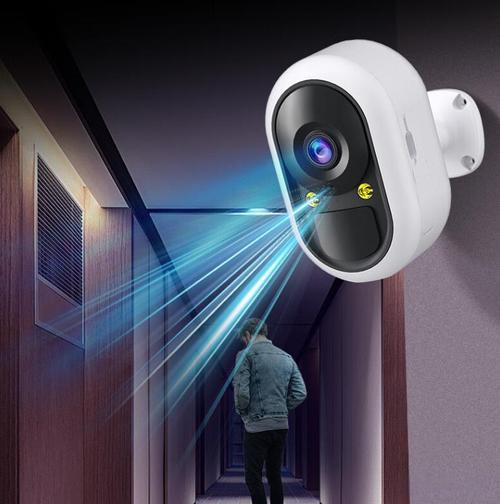
Camera systems rely on visual information to monitor and record scenes. They are widely used for surveillance, evidence collection, and real-time monitoring.
Cameras typically require adequate lighting or infrared illumination to function effectively at night.
Detection Reliability in Different Environments
Performance in Low Light and Darkness
Radar systems operate independently of light and perform equally well during daytime and nighttime. Cameras, by contrast, rely on visible or infrared light, making them more vulnerable to poor lighting conditions.
Weather Resistance
Radar maintains stable performance in rain, fog, snow, and dust. Camera image quality can degrade significantly in harsh weather, increasing the risk of missed detections or false alarms.
Accuracy and False Alarm Rates
Radar Accuracy
Radar sensors measure motion and speed precisely. Advanced signal processing allows radar to filter out environmental noise such as small animals or moving vegetation.
Camera Accuracy
Cameras provide visual detail but are more prone to false alarms caused by shadows, reflections, insects, or sudden light changes.
Coverage Area and Installation
Radar Coverage
A single radar sensor can cover a wide area, often replacing multiple cameras. Radar installation is less sensitive to precise alignment and does not require careful scene framing.
Camera Coverage
Cameras require careful positioning to avoid blind spots. Large areas often need multiple cameras, increasing system complexity and maintenance costs.
Privacy and Compliance Considerations
Radar and Privacy
Radar detects movement and presence without capturing images, making it suitable for privacy-sensitive environments such as schools, factories, and public infrastructure.
Camera Privacy Concerns
Camera systems raise privacy concerns, particularly in regions with strict data protection regulations. Video storage and data handling add compliance requirements.
Cost and Maintenance Comparison
Radar systems generally offer:
- Lower long-term maintenance
- Fewer components
- Reduced false alarm handling costs
- Camera systems may have lower initial hardware costs but often require:
- Regular cleaning
- Lighting maintenance
- Higher bandwidth and storage resources
Radar and Camera Fusion: The Best of Both Worlds
Many modern security systems combine radar and cameras:
- Radar provides reliable detection
- Cameras provide visual verification
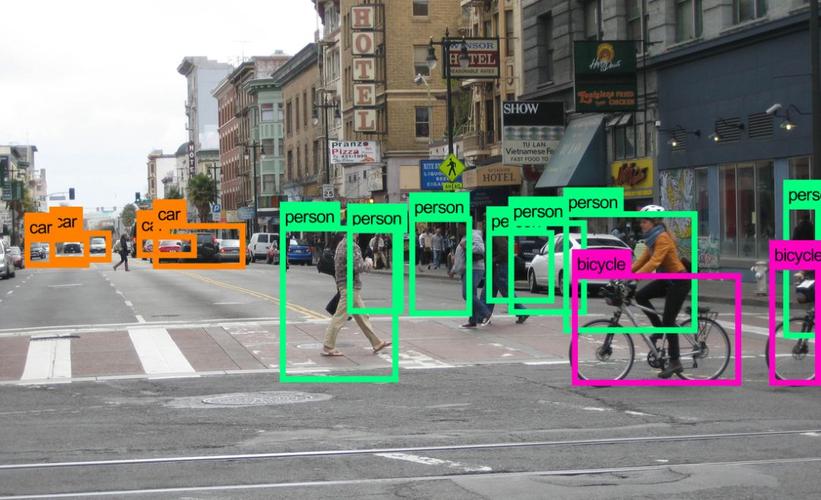
This sensor fusion approach significantly improves system accuracy while minimizing false alarms.
How to Choose the Right Solution
Radar is ideal if:
- The environment is outdoors or harsh
- Privacy is a concern
- Reliable detection is critical
Cameras are ideal if:
- Visual evidence is required
- Lighting conditions are controlled
- Detailed identification is needed
Conclusion
Radar and camera systems each serve different security needs. Understanding their strengths and limitations allows system designers to build more reliable and efficient security solutions. In many cases, a combined approach delivers the best overall performance.
Relate Article:
The Strengths and Limitations of Camera, Radar, and Lidar.